

Advertorial Ads: What They Are & How to Use Them in 2026
An advertorial ad gets read longer than classic display. That is not a vibe, it is measured. In an Ad Alliance study, average reading time was 8.4 seconds versus 3.7 seconds for standard ads, as documented by Ad Alliance research.
Sounds like a no-brainer. It is not. The same advertorial ad can also become your most expensive piece of "camouflaged promotion" that nobody finishes.
If you want the fastest way to sort signal from noise, start with one rule: an advertorial ad is still an ad. It just sells through article logic: problem, context, evidence, trade-offs, decision support. That is why it works. And that is also why it fails so visibly when teams try to sneak in a brochure.
This piece gives you the practical logic for 2026: what an advertorial ad really is, how to spot good craft, how to buy it like paid media (without getting trapped in fuzzy packages), and how to measure it without lying to yourself with last-click KPIs. If you want a broader view of online advertorial formats, this guide to online native advertorials draws the lines cleanly.
- 1-sentence definition: An advertorial ad is a paid article-style piece placed in a media environment and clearly labeled as advertising.
- Core difference vs. standard ads: It does not interrupt, it explains inside the reading flow.
- Strong when: Your offer needs trust, context, or objection-handling.
- Weak when: You only push a promo, price drop, or short-term scale goal.
- 2026 reality: Context, structure, and verifiable claims beat hype copy.
- Risk zone: Disclosure, link deals, and unproven claims turn "native" into complaints.
Asking yourself, "Does an advertorial ad fit my budget, KPIs, and funnel?" Good. Let us go through it without romance.
1. Advertorial ad: definition, terminology, and hard boundaries
An advertorial ad is advertising. Full stop. It borrows an article structure because that structure holds attention.
In 2026, the boundary matters more than ever. Not for moral points. For trust, distribution, and platform risk.
What is an advertorial ad, really?
Quote-ready in 40 to 60 words: An advertorial ad is a paid, article-style placement within a publisher environment that remains clearly recognizable as advertising through visible labeling and transparent commercial intent. It sells via argumentation, examples, and context, not by being louder than the content around it.
The psychology is simple. People keep reading when they feel they are learning something useful.
What do teams confuse all the time?
| Format | Who pays? | How it works | Needs disclosure? |
|---|---|---|---|
| Advertorial ad | Brand | Article logic, explains value in context | Yes, visible as Ad / Sponsored |
| Standard display ad | Brand | Interrupts, short, high frequency | Usually obvious by placement |
| Native teaser ad | Brand | Click teaser inside content feeds | Yes |
| PR release | Ideally nobody | News logic, distributed via editorial channels | No, but transparency stays smart |
2 operational choices that change everything
Many teams "buy an advertorial ad" and then wonder why results look weird. They never decide what they are actually buying.
- Publisher-hosted advertorial ad: The piece lives on the publisher site. Trust and context are the deal.
- Brand-hosted article + native distribution: The piece lives on your site. You buy reach via teasers, networks, retargeting.
Write that distinction into the brief. You will save at least 2 review loops.
2. Why advertorial ads get attention (and why readers still bounce)
Advertorial ads win when they satisfy an information need. They lose when they feel like a flyer wearing a blazer.
The Ad Alliance numbers are a clean reality check. People spend measurably more time with advertorial-style content than with standard ads. That extra time is not a guarantee. It is only room to earn trust.
4 triggers that carry an advertorial ad
- Utility: Decision aids, comparisons, checklists. No filler.
- Context: "What is normal in this market?" Readers want calibration, not self-praise.
- Evidence: Numbers, sources, conditions, limits. Including what it cannot do.
- Reassurance: Reduce perceived risk. Make the first step small.
The most common reason readers drop
Too much "we" and not enough "you." That is not style. That is funnel logic.
If your first paragraph smells like claims, readers leave. A good advertorial ad opens with a real dilemma, not a product statement.
2 real-world lessons from other categories
Roku made streaming feel familiar for late adopters by leaning into a classic remote and framing apps as "channels." The transferable principle is brutal: make the new feel familiar, do not insult the old.
The NHS program "Couch to 5K" works because it breaks a big barrier into small steps. Your advertorial ad should do the same. Build a mini-commitment, not a leap of faith.
- Start with a specific decision moment ("Which option fits if X is true?").
- Deliver a mini interim conclusion after 5 to 7 lines.
- Add a visible "When this is not a fit" section.
- Use subheads as answers, not decoration.
- Plan 1 primary CTA. More feels like nervousness.
Attention is one side. Budget safety is the other. That is media buying.
3. Media buying 2026: how to buy an advertorial ad, packages, and pricing logic
You rarely buy an advertorial ad like a banner. You buy a bundle: content creation, hosting, teaser inventory, runtime, and reporting.
Context matters more again in 2026. Not because targeting disappeared. Because credibility in the reading moment often beats the 12th audience slice.
Where you buy in practice
In the market you usually see 3 routes:
- Direct publisher / brand studio IO: predictable, but negotiation-heavy.
- Sales house packages: faster access to multi-site reach.
- Native distribution to your site: more control and testing, less publisher halo.
Large publishers often run dedicated content studios. The logic stays similar across markets: content plus distribution. Without distribution, your advertorial ad can turn into a beautiful article in the forest.
If you want an English reference point for publisher-style deals, this overview on sponsored articles in newspapers complements the buying angle well.
How packages really work
| Model | Billing | Upside | Common mistake |
|---|---|---|---|
| Flat package | Fixed fee | Predictable, often includes creation | No KPI target, add-ons become the goal |
| CPM on teaser inventory | CPM | Comparable to display | Teaser promise does not match article depth |
| CPC / guaranteed traffic | Per click | Closer to performance | Click quality varies, bounce rises |
| Hybrid | Fee + minimum reach | Planning plus output | Reporting gets fuzzy, ownership disappears |
Negotiation questions professionals ask
- What deliverables are fixed? URL, teaser slots, newsletter, social, runtime.
- Is the advertorial ad evergreen or removed after X weeks?
- Which sections and placements deliver the right context for the reader?
- Is there an update window after 4 to 8 weeks? That protects accuracy.
- How are links handled? Google expects paid links to use clear attributes, as described in the Google guidelines on qualifying outbound links.
Buying mistake number 1 is paying for reach you cannot separate in reporting. Buying mistake number 2 is accepting "premium context" without a clear placement definition.
4. Briefing and structure: turning an advertorial ad into something people finish
A strong advertorial ad is a guide with a commercial role. It is not sales copy pretending to be a guide.
That difference is night and day. One helps people decide. The other begs to be believed.
A structure that survives 2026
If you take only one template, take this:
- Open: a real audience dilemma, plus outcome in 1 sentence.
- Context: what changed and why it matters now.
- Criteria: 3 to 5 decision criteria with short examples.
- Execution: steps, effort, and typical pitfalls.
- Limits: who it is not for and what to do instead.
Benefit hierarchy: calm people before you persuade them
If your product demands behavior change, friction rises. Then your advertorial ad needs a calming order.
- Value: save time or money, concrete and checkable.
- Ease: less effort, fewer moving parts.
- Control: users stay in control, no lock-in surprises.
- Contribution: purpose or sustainability, only if provable.
- Efficiency: system-level upside, but only after basics land.
A briefing checklist publishers actually like
- Thesis: 1 sentence that sounds like an insight, not self-praise.
- Audience: objections and questions from sales and support.
- Evidence: numbers, conditions, primary sources, what you can prove.
- No-go list: superlatives without proof, fake testimonials, miracle claims.
- CTA logic: 1 core CTA plus 1 to 2 micro-CTAs, no button soup.
For cost framing and what drives rates in the real world, this breakdown of advertorial rates and cost adds useful benchmarks.
Now the part that ruins campaigns when treated casually: disclosure and compliance.
5. Disclosure and compliance: what an advertorial ad must do to stay safe
An advertorial ad is only safe when readers recognize it as advertising instantly. Not after 30 seconds. Not in the footer.
This debate is old. The consequences are sharper because screenshots live forever, and regulators do not care about your reporting cycle.
US, UK, EU: the shared principle behind different rules
The wording changes by market. The principle does not. Paid editorial-style content must be clearly disclosed.
In the US, the FTC spells out practical expectations in its Native Advertising: A Guide for Businesses. In the UK, the ASA focuses on recognizability under the CAP Code (Section 2: Recognition of marketing communications).
What "clear" means in practice
Do not hide behind "Partner Story" labels that only insiders understand. Use "Ad", "Advertisement", or "Sponsored". Put it at the top. Make it readable on mobile.
Also align layout and typography. If it looks 1:1 like editorial, your disclosure must work even harder.
Compliance checklist you can use in briefings
| Area | Practical recommendation | Typical failure mode |
|---|---|---|
| Label | "Ad" / "Advertisement" / "Sponsored" clearly visible at the start | Label is tiny or only at the end |
| Design | Commercial nature stays recognizable in layout | Editorial clone design, disclosure buried |
| Claims | Verifiable, with conditions and limits | "#1" and "guaranteed" without proof |
| Approval | Quick legal review before go-live | Approval by gut feeling |
Compliance is not a conversion trick. It is a trust asset. It also protects your publisher relationships.
6. Measurement and KPIs: evaluating an advertorial ad without fooling yourself
An advertorial ad is rarely a last-click machine. If you judge it like one, you will declare it "too expensive" by design.
Its strength often sits mid-funnel: understanding, trust, later brand searches, better lead quality, higher close rates.
A KPI set that matches reality
| Goal | Primary KPI | Secondary KPIs | Common measurement error |
|---|---|---|---|
| Awareness | Reach / unique users | Viewability, frequency | Using CTR as an awareness KPI |
| Consideration | Engaged time / scroll depth | Brand searches, email signups | Looking at last click only |
| Leads / sales | Leads, CAC | Assists, CRM quality | No UTM standard, mixed comparisons |
| Long-term | Branded traffic | Direct, returning users | Only using a 7-day window |
The setup you actually need
- UTM discipline: split every distribution component (home page, newsletter, social, teasers).
- Engagement events: scroll depth, copy clicks, video starts, tool usage.
- Pre-post check: compare brand searches in a clean time window.
- CRM backfeed: which leads turn into SQLs or opportunities?
- Stop rule: if reach is fine but engagement is weak, stop fast.
The uncomfortable question: what is your proof?
Many reports are colorful charts with no internal consequence. You need 1 proof metric that leadership trusts.
In B2B, that is often lead quality and pipeline influence. In consumer, it is commonly brand search lift plus assisted sales. Pick one, defend it, and measure consistently.
7. Advertorial ad in 2026: when it is worth it and when you should pick something else
An advertorial ad pays off when you have substance. It does not pay off when you only have discounts.
That sounds harsh. It is fair. Article formats force you to bring arguments.
A decision matrix instead of gut feeling
| Situation | Advertorial ad? | Why | Better alternative |
|---|---|---|---|
| Complex offer, many objections | Yes | You need persuasion in context | Webinar + retargeting |
| Commodity, price is everything | Usually no | An article adds little differentiation | Search / Shopping |
| New brand, low trust | Yes | Context and proof build credibility | PR + creator partnerships (clearly disclosed) |
| Hard performance in 7 days | No | Too slow, too many dependencies | Search + retargeting |
| Very small budget | Usually no | Fixed costs eat testing | Social testing + landing page optimization |
5 checks before you spend money
- Substance check: can you write 1,000 words without filler?
- Proof check: do you have numbers, conditions, references, or clear logic?
- Angle check: is the hook a real audience topic, not only a campaign?
- Distribution check: is reach contractually defined and reportable?
- Measurement check: do KPIs exist before writing starts?
Where advertorial ads are still underestimated
New categories repeat the same pattern. Search ads work best once people know what to search for.
An advertorial ad can build that category understanding. It reduces friction before performance channels even get their chance.
That is why energy challengers like Octopus Energy put so much weight on clear tariff communication. OVO Energy invested heavily in explaining heat pumps through benefits and adoption steps. This is not pretty storytelling. It is risk reduction.
Conclusion: advertorial ads work when you bring substance and play clean
1) An advertorial ad wins through attention and understanding. Yes, people read it longer than standard ads. You are buying time. Fill that time with facts, conditions, and real decision help.
2) Disclosure and transparency are not negotiable. If you treat labeling as a hack, you build long-term distrust. That distrust will later poison your performance channels, too.
3) Measure for mid-funnel, or do not run the format. Scroll depth, engaged time, assists, and brand search lift are often a more honest currency than CTR.
If your team wants a fast, reliable process, run these steps:
- Set 1 goal (awareness or leads) and define 3 KPIs.
- Write a 1-page brief: thesis, audience, proof, no-gos, CTA logic.
- Deal check before signing: disclosure, online runtime, distribution, reporting, link rules.
- Plan a mini experiment: 1 publisher, 1 advertorial ad, clean UTMs, evaluate after 4 to 6 weeks.
2026 rewards content that explains instead of only shining. An advertorial ad can do that. Just not as a brochure in disguise.
Frequently Asked Questions (FAQ)
What is an advertorial ad in one sentence?
An advertorial ad is a paid, publisher-placed article-style format that is clearly labeled as advertising and sells through context, evidence, and decision support. It sits between classic ads and editorial content, but it never pretends to be independent journalism. If it is not recognizable as an ad at first glance, you are already in the danger zone.
How does an advertorial ad differ from a normal ad?
Normal ads interrupt consumption and compress the message into seconds (banner, video spot, paid social unit). An advertorial ad stays in the reading flow, explains more, and can handle objections. The trade-off is higher cost, longer lead times, more stakeholders, and stricter compliance requirements. You buy depth, not instant response.
Do you have to label an advertorial ad as "Sponsored" or "Ad"?
Yes. The label must be clear, prominent, and placed where people start reading, especially on mobile. Vague labels or hidden disclosures raise legal risk and damage trust with both audiences and publishers. Treat disclosure like product safety: non-negotiable. If you need subtlety to make it work, the content is the problem.
When is an advertorial ad worth it most?
It shines when your offer needs explanation or credibility: B2B software, financial products, healthcare, energy, or genuinely new categories. Use it when objections are predictable and you can answer them with proof, not slogans. It also works when you need category education before performance channels scale. If your only lever is discounting, skip it.
Are advertorial ads good for SEO?
Often indirectly, sometimes not at all. A good advertorial ad can lift reach, brand mentions, and branded searches, which can support organic growth over time. Buying paid links for rankings is risky and can trigger policy issues with platforms and publishers. Plan SEO as a long-term side effect of strong content and distribution, not as the primary ROI promise.


Advertorial Meaning & "Bedeutung" & Definition
Advertorial Bedeutung is still wildly underestimated: a report by Deutschlandfunk claims only about 1 in 4 people instantly spots a well-made advertorial as advertising. That is not a fun fact. That is leverage.
You will get the clean definition, the real borders between advertorials, native advertising, sponsored content and PR, plus the one thing most teams get wrong: transparency is not a compliance tax. It is what keeps performance from collapsing once readers feel played. If you want the broader native landscape (beyond the “article format”), this online native advertorials guide maps the variants.
- Definition in 1 sentence: An advertorial is paid content in the look and tone of editorial, and it must be clearly labeled as advertising.
- Why it works: context + story + usefulness beat banner blindness, but only with honest framing.
- 2026 reality: advertorials become modular (text, visuals, FAQs) and need “quote-ready” passages.
Once you separate “editorial”, “sponsored”, and “disguised”, the whole topic becomes surprisingly simple.
1. Advertorial Bedeutung: definition, core traits, a usable formula
Advertorial Bedeutung in plain English: an advertorial is advertising that borrows editorial clothing. The layout looks like an article. The narrative reads like editorial. Yet the bill is paid by a brand, not the newsroom.
German media language is blunt about that tension. Journalistikon’s advertorial entry lands on the key issue: the form is not the scandal. The lack of recognizability is.
Was bedeutet Advertorial, and what does “advertorial” literally mean?
“Advertorial” is a portmanteau: advertisement + editorial. In DACH you will also hear “redaktionelle Anzeige” (editorial-style ad). Use a simple formula internally, because it ends debates fast.
Memorable rule: paid + editorial-style + labeled. Remove one part and you enter risky territory.
| Format | Who pays? | Who controls content? | Labeling | Main goal |
|---|---|---|---|---|
| Editorial article | No one | Editorial team | None | Inform, contextualize |
| Advertorial | Brand | Brand (often with publisher studio) | Ad / Sponsored / Paid Post | Usefulness + persuasion |
| Classic display ad | Brand | Brand | Ad | Attention, direct response |
| PR text / press release | Company | Company | No strict label, context still smart | Agenda, awareness |
- Start with line 1: who pays, who is the sender, what is the intended outcome?
- “Editorial-style” means subheads, evidence, context. Not slogan copy.
- Do not hide the label. You buy trust by not acting shady.
- When you compare or “test”: disclose criteria, or it feels like a stage set.
- Ask one brutal question: would I read this without the logo?
Once the definition sticks, the uncomfortable truth follows: effectiveness often spikes where recognition is weak.
2. Why advertorials perform (and when they burn trust)
Advertorials perform because people consume content, not ad slots. In a feed, a well-built piece feels like “normal reading”. That is the mechanism.
The same mechanism can shred credibility. The moment readers think you tried to trick them, sentiment flips fast. You might still get clicks. You lose the audience’s patience for your next message.
The number marketers rarely say out loud
Deutschlandfunk cites recognition rates around 20% to 25% for well-made advertorials. That is attractive for performance. It is also a fault line for media trust, especially in DACH.
| Reader reaction | Typical trigger | What fixes it inside the advertorial |
|---|---|---|
| “This sounds like an ad” | Too many claims | Data, sources, neutral wording |
| “I feel misled” | Hidden label | Label near headline, sender stated |
| “Useful, I’ll keep reading” | Value upfront | How-to, checklist, real context |
- Deliver value in the first 5 lines. Not after the brand story.
- Treat transparency like a performance lever. Clarity lowers resistance.
- Cut superlatives. Replace them with benchmarks and comparisons.
- Add 1 real limitation. It makes the rest more believable.
- Write for “skeptical but fair”, not for “easy to impress”.
This is why labeling is not bureaucracy. It is the stability check of the format.
3. Labeling rules: DACH vs. EU/UK vs. US (the minimum that matters)
DACH has a simple guardrail: if there is compensation or a benefit, advertising must be recognizable as advertising. Otherwise you drift into “Schleichwerbung” (covert advertising). That is not just ethics. It is legal and reputational risk.
If you want the US baseline in one official document, the FTC’s Native Advertising: A Guide for Businesses is refreshingly direct: disclosures must be clear and prominent, and they must work across devices.
What “clean” looks like in real life
Forget poetic labels. “Sponsored”, “Advertisement”, “Paid Post”, “Paid partnership” are understood. Anything foggy reads like intent.
In the UK, the standard is equally blunt in tone: the ASA guidance on advertorials focuses on making marketing communications obviously identifiable.
| Region | Common labels | Audience expectation | Main risk |
|---|---|---|---|
| DACH | Anzeige, Werbung, Sponsored | High sensitivity | Legal complaints and public criticism if unclear |
| UK/EU | Sponsored Content, Paid Partnership | Medium | Inconsistent publisher execution |
| USA | Paid Post, Presented by | Familiar, still critical | Trust loss when claims overshoot reality |
- Place the label near the headline. Not in the footer.
- Name the sender clearly. No guessing game.
- Keep wording consistent across teaser, article, and social preview text.
- Disclose testimonial context: paid, invited, independent. Say which applies.
- Separate editorial and commercial internally, even in small teams.
When you treat the minimum seriously, you can focus on the real question: what does Advertorial Bedeutung look like in 2026 from a content perspective?
4. Advertorial Bedeutung in 2026: format shifts, feeds, and answer engines
Advertorial Bedeutung in 2026 is less “one article” and more “a pack”. Text alone rarely carries the full job. Strong campaigns ship modular blocks that work inside publisher pages, social feeds, and answer engines that quote and summarize.
US publishers have been building that scaffolding for years. Digiday’s piece on the New York Times’ sponsored posts was never about “nice writing”. It was about format rules and labeling discipline, as described in Digiday’s report on NYT Sponsored Posts.
What becomes more valuable than style
Answer engines reward clean, extractable passages: definitions, lists, fact boxes, short “how it works” sections. If your key points drown in prose, you get quoted less.
That is why modern advertorials often include compact components. If you want a practical view of what publishers expect, this page on sponsored articles in newspapers lays out typical structures and placements.
- Add 1 mini takeaway per section, in 2 sentences max.
- Use question-style subheads. They match search intent.
- Include a short “method box” when you claim a result.
- Write captions that carry meaning, not decoration.
- Define your terms once. Then stop renaming them.
None of this is new. Advertorials are not a digital invention. They are a media instinct.
5. History: from “news-style notices” to native formats (a short timeline)
Advertorials predate most marketing departments. In print’s early eras, advertisers already paid for news-like notes and reports. The moral panic is new. The practice is old.
A famous early masterclass is Cadillac’s 1915 text “The Penalty of Leadership”. It sells status through an idea, not through product shouting. That same logic still wins in B2B today: lead with insight, let the brand benefit indirectly.
A mini timeline worth remembering
| Period | Dominant medium | Typical advertorial “skin” |
|---|---|---|
| 1880–1920 | Newspapers, magazines | Report, essay, “news notice” |
| 1950–1980 | Radio, TV | Sponsor formats, “Presented by” |
| 2010–2026 | Web, feeds | Sponsored stories, modular longform |
- Form follows the medium. The principle stays the same.
- Each era borrows trust from the surrounding context.
- Each era also creates scandals when disclosure fails.
- The modern twist is distribution, not invention.
- People who search “advertorial wiki” usually want this: old format, flexible wrapper.
History done. Now the practical question: can you spot an advertorial in under 30 seconds?
6. How to spot an advertorial in 30 seconds (signals that rarely lie)
Most people do not recognize advertorials by gut feeling. That is not a personal weakness. It is design. You recognize them by signals: label placement, sender wording, link patterns, claim density, and whether limitations exist.
Deutschlandfunk flags the low recognition rate as a media literacy problem. For marketers, it is also a reminder: if your format relies on confusion, it will age badly.
Was ist ein Advertorial? The 30-second test (was ist ein advertorial)
- Is “Ad”, “Sponsored”, or “Anzeige” visible above the headline or in the teaser?
- Is the sender stated (“paid for by”, “in partnership with”)?
- Where do the links go: mostly to the brand and its own properties?
- Do claims sound perfect: no criteria, no data, no trade-offs?
- Are alternatives mentioned fairly, or ignored completely?
Why this matters more in DACH than many US teams expect
German-speaking audiences punish “camouflage” harder. Culture and regulation both play a role. This is why many brands lean into credible contexts, including regional outlets, where trust is a scarcer resource. The dynamics are explained in this overview of advertorials in magazines and similar editorial environments.
Spotting the format is only half the job. The other half is quality that stays readable, while staying clearly labeled.
7. Advertorial Bedeutung today: quality markers, “quote-ability”, and common failures
Advertorial Bedeutung keeps shifting from “we talk about ourselves” to “we deliver substance inside the right frame”. By 2026, the winners are transparent and still so useful that single passages can be quoted without embarrassment.
That is why the Cadillac example matters: the piece earns attention by saying something true, not by saying something loud.
Quality markers you can audit fast
- Evidence discipline: link a source, or clearly label opinion.
- Neutrality anchors: “Who it’s for” and “who it’s not for”.
- Structure: short paragraphs, sharp subheads, clear definitions.
- Clean mechanics: no fake buttons, no news look without a label.
- Consistency: define terms once, then stick to them.
Where advertorials usually fail
| Failure | Why it backfires | Better approach |
|---|---|---|
| Label only in the footer | Looks intentional | Label near headline and in teaser |
| “Miracle” claims | Sounds like a scam | Limits, benchmarks, evidence |
| Pseudo-test without criteria | Feels unserious | Method box, criteria, comparison logic |
In B2B, the bar is even higher. Expert audiences punish nonsense fast. They also remember it longer.
Conclusion: an advertorial is advertising, and it can still be excellent content
1) Advertorial Bedeutung means: paid, editorial-style, clearly labeled. It is not a “grey zone format”. It is legitimate when you play it open.
2) Performance comes from context. People read content and ignore banners. The price is responsibility: once you try to disguise, trust drops faster than reach rises.
3) 2026 favors modular, quote-ready advertorials. Definitions, method notes, short takeaways, and a small FAQ make content reusable in feeds and answer engines.
Next steps for your team: define internally when something counts as an advertorial. Standardize label placement and sender wording. Then build 2–3 passages per piece that can be quoted without extra context, and still remain accurate.
The outlook is simple: the more feeds pre-sort attention, the more expensive ambiguity becomes. Clarity turns into a performance factor.
Frequently Asked Questions (FAQ)
What is an advertorial? (was ist advertorial)
An advertorial is a paid piece that is designed and written like editorial content, but it remains advertising. The non-negotiable element is clear labeling such as “Ad”, “Sponsored”, “Paid Post”, or in DACH “Anzeige”. Without disclosure, you risk covert advertising accusations and backlash.
Advertorial: what is that exactly vs. native advertising? (advertorial was ist das)
Native advertising is the umbrella term for ads that match the surrounding environment. An advertorial is the classic “article-style” execution: headline, story arc, subheads, and real usefulness. It should be labeled upfront, and it should read like analysis, not like a press release with better typography.
What does advertorial mean literally? (was bedeutet advertorial / was heißt advertorial)
Literally, “advertorial” blends “advertisement” and “editorial”. In German, people often say “redaktionelle Anzeige”. The meaning stays the same: it is paid communication presented in an editorial look. That is fine when disclosure is clear and the content does not fake neutrality it cannot deliver.
Why do many people not spot an advertorial instantly?
Because tone, layout, and placement mirror real journalism, especially in social feeds. Readers follow familiar patterns: headline, lead, subheads, quotes. If disclosure is small or placed late, recognition drops. Deutschlandfunk describes this low recognition rate as a media literacy issue, and brands feel the upside and the risk at the same time.
“Advertorial wiki”: is there a one-sentence definition?
Yes: an advertorial is advertising presented in editorial form, paid for by a brand, and clearly labeled as such. If the labeling is missing or hidden, the format becomes legally and reputationally risky. The fastest internal safeguard is a written rule for labels, sender disclosure, and evidence standards before publication.
Advertorial Magazine: Rates, Examples & How To Book
Did you know that 63% of consumers trust magazine advertising when making buying decisions—nearly triple the trust levels of internet ads? That's why an advertorial magazine are becoming a secret weapon for brands looking to earn genuine attention and credibility in an increasingly skeptical marketplace. In this comprehensive guide, you'll discover concrete data on advertorial rates across the world's top 100 magazines, explore real-world examples from Forbes to The New York Times, and learn exactly how to plan a campaign that audiences actually want to read.
The power of magazine advertorials lies in their unique ability to blend informative content with subtle brand messaging. Unlike traditional display ads that interrupt the reading experience, advertorials provide genuine value while building brand awareness. Recent research shows readers spend up to 30 times more time engaging with advertorial-style content than with standard banner ads, with conversion rates averaging 4-6%—far exceeding typical display ad performance.
Whether you're considering a glossy print feature in Vogue or a digital sponsored post on Bloomberg, understanding the advertorial landscape is crucial for modern marketers. From niche industry journals charging €500 to premium placements at The New York Times starting at $60,000, the options span every budget and objective. But success isn't just about picking the right publication—it's about crafting content that respects the reader's intelligence while achieving your marketing goals.
This guide breaks down everything you need to know: from understanding different advertorial formats and their trust-building mechanics to navigating global pricing structures and learning from successful campaigns. We'll examine why print advertorials still command premium attention in our digital age, how to leverage cross-channel synergies, and what makes certain advertorial campaigns memorable while others fall flat. Ready to discover why this hybrid of content and advertising consistently outperforms flashy banner ads? Let's dive into what makes a great advertorial magazine placement—and how you can book one without breaking your budget.
1. What Is an Advertorial Magazine and How Does It Work?
An advertorial magazine piece is essentially a paid article crafted to match the publication's editorial style while delivering strategic brand messaging. Unlike traditional advertisements that clearly separate from content, advertorials integrate seamlessly into the magazine's flow—though they must always be transparently labeled as sponsored content to maintain ethical standards and comply with regulations.
The concept works on a simple principle: provide value first, promote second. Publishers like Popular Mechanics offer "Brand Features" where their editorial team either uses advertiser-provided content or co-creates pieces that blend the magazine's trusted voice with brand messaging. This collaboration ensures the content maintains the publication's quality standards while serving marketing objectives.
Research demonstrates the effectiveness of this approach. Studies show readers engage up to 30 times longer with advertorial content compared to banner ads. The reason? Advertorials respect the reader's intent—they came to consume content, not to be interrupted by ads. When a finance brand publishes a thoughtful piece on retirement planning in an industry magazine, weaving in their expertise naturally, readers perceive them as helpful experts rather than pushy salespeople.
Advertorial Types
| Advertorial Type | Disclosure Required | Editorial Input | Typical Word Count |
|---|---|---|---|
| Print Brand Feature | Yes | High | 600-1200 |
| Digital Sponsored Post | Yes | Medium | 800-1500 |
| Native Ad Section | Yes | Low | Varies |
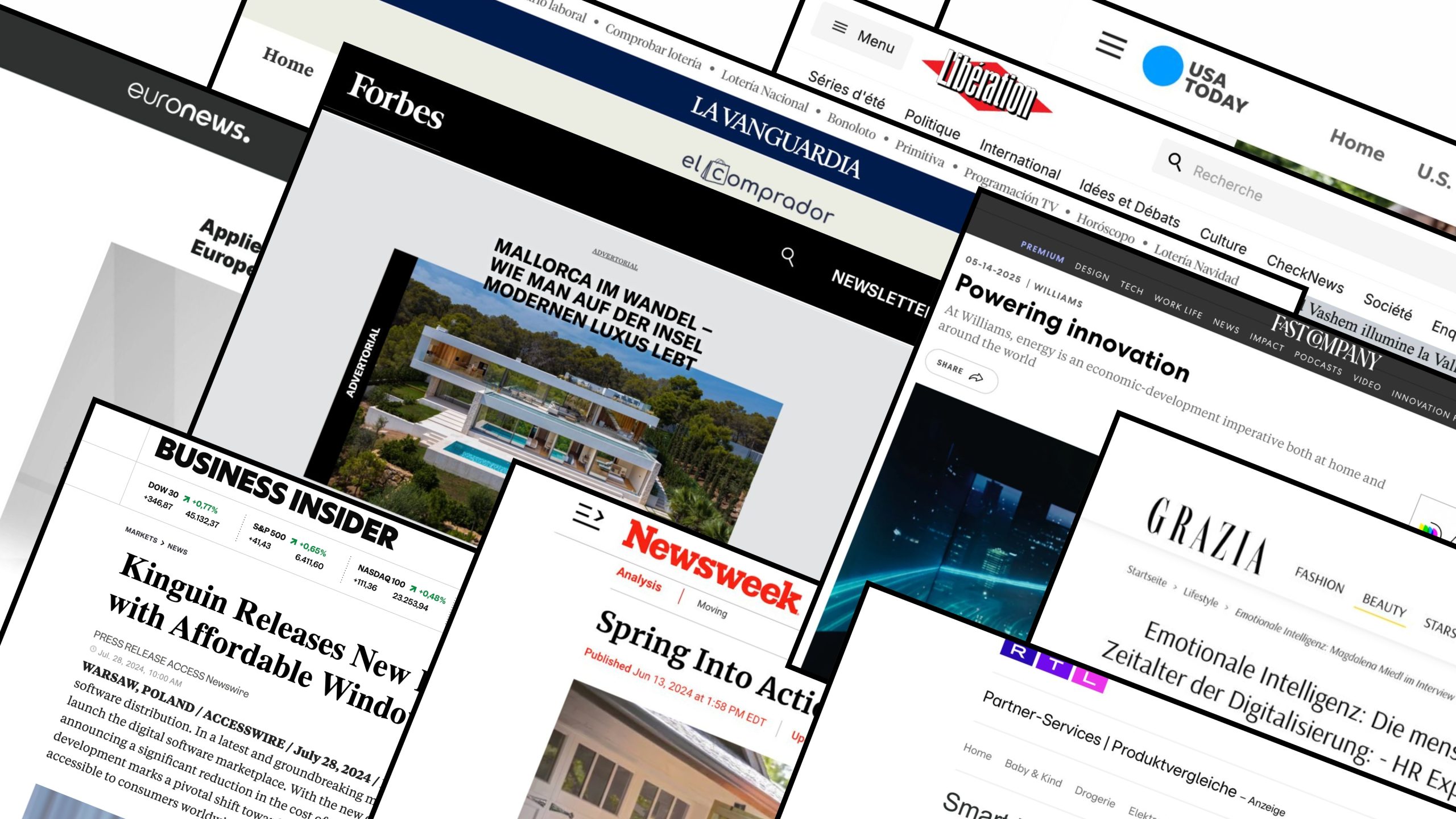
Consider how different publications approach advertorials. Forbes BrandVoice allows companies to publish thought leadership pieces under their brand name, clearly marked as "Paid Program." The Guardian offers "Guardian Labs" content that maintains journalistic quality while serving sponsor objectives. Each maintains strict labeling requirements—phrases like "Sponsored Content," "Advertisement Feature," or "Paid Post" ensure transparency.
The legal framework is clear: the Federal Trade Commission (FTC) in the US and similar bodies worldwide require explicit disclosure when content is paid for by advertisers. This isn't just about compliance—it's about maintaining the trust that makes advertorials effective. Readers who feel deceived won't just ignore your message; they'll actively distrust your brand.
Smart marketers understand that successful advertorials follow a proven formula. Start with audience pain points or interests, deliver actionable insights or compelling stories, then introduce brand elements naturally. A technology company might publish an in-depth analysis of digital transformation trends, positioning their solutions as one option among several. This approach builds credibility while avoiding the hard-sell tactics that turn readers away. Next, we'll explore why this format generates such impressive trust metrics compared to traditional advertising.
2. Why Advertorial Magazines Build Superior Trust and Engagement
The numbers speak volumes about advertorial effectiveness. Research from FIPP shows 63% of consumers trust magazine advertising, compared to just 25% for internet ads and 41% for television commercials. This trust gap explains why brands increasingly turn to advertorial magazine placements to build meaningful connections with their audiences.
But trust alone doesn't explain the full picture. Magazine readers actively choose to engage with content, spending an average of 30+ minutes per issue in focused reading sessions. This contrasts sharply with the passive consumption of digital ads or the active avoidance enabled by ad blockers. When your message appears as valuable content within this chosen experience, it benefits from what psychologists call the "halo effect"—the publication's credibility transfers to your brand.
L'Oréal demonstrated this principle brilliantly with their Allure magazine campaign. By embedding QR codes in print advertorials that linked to beauty advice pages, they created a bridge between print engagement and digital action. The result? A 15% spike in website traffic directly attributed to the print campaign. This proves that well-executed advertorials don't just build awareness—they drive measurable business outcomes.
Trust advantages of Advertorials
| Advertising Channel | Consumer Trust Level | Typical Engagement Pattern |
|---|---|---|
| Print Magazines | 63% | High dwell time, focused attention |
| Television | 41% | Moderate, often multitasking |
| Internet Display Ads | 25% | Low, banner blindness common |
| Social Media Ads | 28% | Quick scroll, limited attention |
The engagement metrics tell an equally compelling story. While banner ads struggle to achieve click-through rates above 0.1%, advertorial content regularly generates conversion rates between 4-6%. This 40-60x improvement isn't just about better creative—it's about respecting how people consume information. Readers don't feel tricked or interrupted; they feel informed and empowered to make decisions.
Consider Casper's approach to sleep education. Rather than pushing mattress features, their advertorials focus on sleep science, bedroom optimization, and wellness tips. Only after providing genuine value do they introduce their products as one solution among many. This editorial-first approach transforms potential customers from skeptics into advocates, building trust through expertise rather than claims.
The targeting precision of magazine advertorials amplifies these trust benefits. A retirement planning advertorial in a finance magazine reaches readers actively thinking about their financial future. A sustainable travel piece in an adventure magazine connects with environmentally conscious explorers. This contextual relevance means your message arrives exactly when readers are most receptive, multiplying its impact. Let's examine how print and digital formats each leverage these advantages differently.
3. Print vs Digital Advertorial Formats: Choosing Your Best Channel

The debate between print and digital advertorials isn't about which is better—it's about understanding how each format serves different objectives. Print advertorials deliver prestige and undivided attention, while digital versions offer global reach and granular analytics. The most sophisticated campaigns leverage both channels synergistically.
Print advertorial magazine placements command unique advantages in our screen-saturated world. Physical magazines enjoy a 'lean-back' reading experience where readers dedicate focused time without notifications or pop-ups competing for attention. Studies show 88% of millennials actively look at print ads they receive, dispelling myths about print being outdated. The tactile nature of print—the weight of paper, quality of images, even the smell of ink—creates multisensory engagement that digital can't replicate.
Digital advertorials excel in different dimensions. They enable immediate action through clickable links, embedded videos, and interactive elements. You can track every metric: time on page, scroll depth, click-through rates, and conversion paths. A technology brand can embed product demos directly in their Forbes BrandVoice article, while a travel company can include booking widgets in their sponsored content. The ability to A/B test headlines, update content in real-time, and leverage SEO for long-term visibility makes digital advertorials powerful tools for performance marketers.
The real magic happens when brands combine both formats strategically. Research indicates that combining print and digital can lift sales by approximately 49% compared to using print alone. L'Oréal's QR code strategy mentioned earlier exemplifies this synergy—using print's trust and attention to drive digital engagement and measurement.
Online vs. Print Advertorials
| Format Comparison | Main Strength | Primary Limitation | Best Use Case |
|---|---|---|---|
| Print Advertorial | Prestige, focused attention | Harder to track direct ROI | Luxury brands, B2B thought leadership |
| Digital Advertorial | Measurability, instant action | Shorter attention spans | E-commerce, lead generation |
| Hybrid Campaign | Synergy plus full-funnel data | Requires more coordination | Major product launches, brand campaigns |
Consider how different industries leverage each format. Luxury watch brands prioritize glossy print spreads in high-end lifestyle magazines, knowing their audience values the premium experience. Software companies focus on digital placements in tech publications, embedding free trial links and tracking conversion funnels meticulously. Smart automotive brands run both—print spreads in car magazines for brand building, digital advertorials for model comparisons and dealer locator tools.
The key is matching format to objective. Need to build brand prestige for a new luxury hotel? A stunning print advertorial in Condé Nast Traveler delivers that aspirational positioning. Launching a B2B software solution? A data-rich digital piece on TechCrunch with embedded demos and case studies drives qualified leads. Want maximum impact for a major campaign? Synchronize both channels with consistent messaging adapted to each medium's strengths. Understanding these dynamics is crucial before we dive into the actual costs of securing these placements.
4. Global Advertorial Magazine Rates: What Top Publishers Really Charge
Understanding advertorial magazine pricing requires recognizing the vast spectrum of options available. While a small industry journal might charge €500 for a sponsored article, The New York Times commands $60,000 to $200,000 for premium placements. These price differences reflect reach, prestige, and audience quality—factors that directly impact your campaign's potential ROI.
Let's start with the premium tier. Major US publishers like The Wall Street Journal and Washington Post typically charge $75,000 to $100,000 for comprehensive advertorial packages. Forbes BrandVoice campaigns begin around $50,000 and can exceed $75,000 depending on distribution and duration. These prices often include online syndication, homepage placement, and detailed analytics dashboards. You're not just buying space; you're buying access to highly educated, affluent audiences with significant purchasing power.
European markets show similar patterns with regional variations. The Guardian in the UK charges £30,000 to £60,000 for substantial advertorial campaigns, while The Economist commands £50,000 to £100,000 given its elite readership. In Germany, BILD's massive circulation justifies rates from €15,000 to €150,000, while specialized publications like t3n.de offer targeted tech audiences for €2,000 to €5,000. These differences highlight how circulation size, audience quality, and market positioning determine pricing.
Global Advertorial Magazine Rates & Cost
| Publisher Tier | Example Publications | Typical Cost Range | What's Included |
|---|---|---|---|
| Premium Global | NYT, WSJ, Forbes, Economist | $50,000 - $200,000 | Full production, multi-channel distribution, analytics |
| Major National | Guardian, Der Spiegel, Le Monde | €10,000 - €60,000 | Digital + print options, basic analytics |
| Industry Leaders | TechCrunch, Bloomberg, Wired | $20,000 - $75,000 | Targeted reach, thought leadership positioning |
| Niche/Regional | Trade journals, local magazines | €500 - €5,000 | Focused audience, longer content lifespan |
Don't overlook the value of niche publications. A B2B software company targeting CFOs might find more value in a €3,000 placement in CFO Magazine than a $50,000 Forbes article reaching a broader audience. The key metric isn't total reach but relevant reach—how many of your ideal customers will see and engage with your content. Calculate cost-per-qualified-lead rather than raw CPM to make informed decisions.
Many publishers offer package deals that dramatically improve value. Condé Nast might bundle print and digital placements across multiple titles, while Hearst could include social media amplification and email newsletter features. These packages often cost 30-40% less than buying components separately. Additionally, working through specialized agencies like Wordsmattr for advertorial placements can provide access to preferential rates and strategic guidance on publication selection.
Remember that stated rates are often negotiable, especially for first-time advertisers or off-peak periods. Publishers may offer discounts for longer-term commitments, multiple insertions, or content that aligns with special editorial themes. Always request detailed media kits and clarify exactly what's included—content creation, revisions, promotion, and performance reporting vary significantly between publishers. Factor in additional costs like professional photography, graphic design, or agency fees when budgeting your campaign. With pricing understood, let's explore how to maximize your investment through strategic campaign planning.
5. Planning Your Advertorial Magazine Campaign: Strategic Best Practices
Success in advertorial magazine campaigns starts long before writing the first word. The foundation lies in deep audience research—understanding not just demographics but psychographics, pain points, and content consumption patterns. A fitness brand targeting busy professionals doesn't just need to know their age and income; they need to understand their morning routines, health anxieties, and information sources.
The most effective advertorials follow a value-first framework that prioritizes reader benefit over brand promotion. Research shows advertorial conversion rates average 4-6%, but this jumps to 8-10% when content provides actionable value. REI masters this approach by publishing outdoor survival guides where gear mentions feel like helpful recommendations rather than sales pitches. Casper educates about sleep science before introducing mattresses. This editorial integrity transforms skeptical readers into engaged prospects.
Collaboration with publishers proves crucial for campaign success. Many magazines offer co-creation services where their editorial teams help craft content that perfectly matches their voice while achieving your objectives. This insider knowledge ensures your advertorial feels native to the publication, increasing reader acceptance and engagement. Publishers can also advise on optimal placement timing, such as aligning your sustainable fashion piece with their annual eco-living issue.
How to: publish advertorials in magazines
| Campaign Phase | Key Actions | Success Metrics |
|---|---|---|
| 1. Research & Planning | Audience analysis, publisher selection, topic development | Audience match score, editorial calendar alignment |
| 2. Content Creation | Story development, expert interviews, visual design | Editorial approval rate, revision rounds |
| 3. Publication & Promotion | Launch coordination, social amplification, PR outreach | Initial engagement, social shares |
| 4. Measurement & Optimization | Performance tracking, lead attribution, ROI analysis | Conversion rate, cost per acquisition |
Visual storytelling elevates advertorial impact dramatically. Readers spend 87% more time on articles with compelling imagery, and infographics get shared 3x more than text-only content. A financial services advertorial featuring interactive retirement calculators or a travel piece with stunning destination photography doesn't just inform—it inspires action. Ensure your visual elements match the magazine's aesthetic standards while reinforcing your key messages.
Measurement strategy must be established upfront, not as an afterthought. Beyond basic metrics like impressions and clicks, track meaningful engagement signals: email sign-ups, content downloads, demo requests, or store visits. Use unique URLs, promo codes, or QR codes to attribute results directly to your advertorial. One home improvement brand saw 20% higher conversion rates by including a exclusive discount code in their magazine advertorial, proving the channel's direct impact on sales.
The subtle art of the call-to-action deserves special attention. Heavy-handed sales language destroys the editorial illusion you've carefully crafted. Instead, offer logical next steps that provide additional value: "Download our complete guide," "Join our workshop," or "Explore more tips on our resource center." Frame these as reader benefits, not company objectives. This approach maintains trust while guiding interested readers toward deeper engagement with your brand. Now let's examine real campaigns that exemplify these principles in action.
6. Real Advertorial Magazine Examples That Drive Results
Studying successful advertorial magazine campaigns reveals patterns that separate memorable content from forgettable promotions. The best examples demonstrate how brands can maintain authenticity while achieving marketing objectives through creative storytelling and strategic positioning.
Forbes BrandVoice represents the gold standard of B2B advertorial execution. Cole Haan's feature on "Right-Brain Hacks" for creativity exemplifies this approach perfectly. Rather than discussing shoes, they explore neuroscience and workplace creativity—topics their professional audience genuinely cares about. The article cites legitimate research and provides actionable tips, with Cole Haan's brand presence subtle but consistent through the BrandVoice byline. This positions them as a lifestyle brand that understands their customers' broader aspirations, not just their footwear needs.
BuzzFeed demonstrates how advertorials adapt to different editorial styles. Captain Morgan's sponsored piece featuring rum punch recipes matches BuzzFeed's signature listicle format while providing genuine value—readers get useful cocktail ideas for summer entertaining. The content feels native to the platform because it respects BuzzFeed's voice and audience expectations. This alignment between brand message and publisher style drives engagement rates 3x higher than standard sponsored content.
The New York Times Paid Post program shows how premium publishers elevate advertorial content. Adobe's piece on virtual shopping trends combines data visualization, expert interviews, and industry analysis at a journalistic level. While clearly labeled as sponsored, the content quality matches Times standards, lending credibility to Adobe's position as a digital commerce leader. This approach particularly resonates with C-suite readers who expect substance over sales pitches.
Learnings from succesful magazine advertorials
- Match the publication's format: Forbes readers expect thought leadership; BuzzFeed audiences want entertainment; Times readers demand data-driven insights
- Invest in production quality: Premium publications require premium content—professional writing, original research, custom graphics
- Study disclosure practices: Each publisher has specific labeling requirements—"Paid Program," "Sponsored Content," "Partner Content"—follow them precisely
- Analyze engagement patterns: Comments, shares, and time-on-page indicate what resonates with each publication's audience
- Document learnings: Track which angles, formats, and messages drive the best results for future campaign optimization
Industry-specific examples provide targeted inspiration. In healthcare, Johnson & Johnson's advertorials in medical journals combine clinical data with patient stories, building trust with both practitioners and consumers. Luxury brands like Rolex craft heritage pieces for high-end lifestyle magazines, focusing on craftsmanship and legacy rather than price points. Tech companies use data-rich infographics and future-trend analyses to establish thought leadership in industry publications.
The evolution toward multimedia advertorials opens new creative possibilities. Interactive quizzes, 360-degree product views, and embedded calculators transform static content into engaging experiences. One automotive brand's advertorial featuring an interactive safety simulator generated 5x more engagement than their traditional display ads. These innovations show how the advertorial format continues evolving while maintaining its core strength: providing value through quality content. This foundation of trust and value creation leads us to our final insights on maximizing advertorial effectiveness.
Conclusion: Maximizing Your Magazin Advertorial Investment
- Trust through value remains the cornerstone of effective advertorial marketing. With 63% of consumers trusting magazine advertising versus just 25% for internet ads, advertorials tap into established credibility while delivering measurable business results. The key lies in respecting the editorial environment—providing genuine insights, actionable advice, or compelling narratives that happen to include your brand rather than forcing promotional messages into content clothing.
- Success demands strategic alignment between publication, audience, and message. A €3,000 placement in a niche industry journal can outperform a $60,000 feature in The New York Times if it reaches your exact target market with relevant content. The most effective campaigns match publication style meticulously—from tone and visual design to content depth and disclosure practices. This authenticity transforms advertorials from mere advertisements into valuable resources readers actively seek and share.
- Measurement and iteration separate good campaigns from great ones. Tracking beyond surface metrics to understand true engagement—dwell time, social shares, lead quality, and conversion paths—reveals what resonates with your audience. The 4-6% average conversion rate for advertorials can climb to 10% or higher when content truly serves reader needs while advancing brand objectives.
Consider timing carefully—magazines typically work 3-6 months ahead for print features, while digital placements might have 4-6 week lead times. Build relationships with publishers' content teams early; they're valuable partners in crafting effective advertorials. Set clear KPIs upfront: are you building awareness, generating leads, or establishing thought leadership? Each objective requires different content approaches and measurement strategies.
As consumer skepticism toward traditional advertising intensifies and ad-blocking technology proliferates, authentic content marketing becomes increasingly vital. The advertorial format—transparent about its commercial nature yet valuable in its own right—represents a sustainable middle path. Publishers continue innovating with AR experiences, shoppable content, and AI-powered personalization, but the fundamental principle remains unchanged: respect your audience's intelligence and time by delivering content worth consuming. Master this balance, and advertorials become powerful tools for building lasting brand relationships in an increasingly fragmented media landscape.
Frequently Asked Questions (FAQ)
What is an advertorial magazine and how does it differ from regular advertisements?
An advertorial magazine piece is a paid article designed to look and feel like editorial content while being clearly labeled as sponsored. Unlike traditional display ads that interrupt the reading experience with obvious promotional messages, advertorials provide valuable information, insights, or entertainment first. They're written in the publication's style and tone, offering genuine value to readers while subtly incorporating brand messaging. The key difference lies in the approach: advertorials educate or inform before they promote, building trust through content quality rather than aggressive sales tactics.
How do I book an advertorial spot in a major magazine?
Start by visiting the magazine's website and looking for their "Advertise With Us" or media kit section. Contact their advertising sales team directly to discuss your campaign objectives and request current rate cards. Most publishers require 3-6 months lead time for print features and 4-6 weeks for digital placements. You'll need to provide a content brief outlining your topic, target audience, and key messages. Publishers often offer co-creation services where their editorial team helps develop content that matches their style. Be prepared to negotiate package deals that might include print, digital, and social media components for better value.
Why do brands invest heavily in magazine advertorials instead of cheaper digital ads?
Brands choose magazine advertorials because they deliver superior trust and engagement metrics compared to standard digital advertising. With 63% of consumers trusting magazine ads versus only 25% for internet ads, advertorials leverage this credibility advantage. They also generate 4-6% conversion rates compared to less than 0.1% for banner ads. Magazine readers actively choose to engage with content, spending 30+ minutes in focused reading sessions without the distractions of digital environments. This quality attention, combined with precise audience targeting and the prestige of established publications, justifies the higher investment for brands seeking meaningful customer connections.
What are typical advertorial magazine rates across different publications?
Advertorial costs vary dramatically based on publication reach and prestige. Small niche or industry journals typically charge €500-€5,000 for sponsored articles. Mid-tier national publications range from €10,000-€60,000, while premium global outlets like The New York Times command $60,000-$200,000. Forbes BrandVoice campaigns start around $50,000, The Guardian charges £30,000-£60,000, and The Economist can exceed £100,000. These prices often include content creation, online distribution, and basic analytics. Remember that rates are negotiable, especially for multi-placement campaigns or off-peak periods. Always clarify what's included in the quoted price.
What makes an effective advertorial magazine campaign in today's market?
Effective advertorial campaigns start with deep audience research to understand reader pain points and interests. They provide genuine value through actionable insights, data-driven analysis, or compelling storytelling before introducing brand elements. Visual excellence matters—using high-quality imagery, infographics, and design that matches the publication's standards. Successful advertorials maintain transparent labeling while feeling native to the publication. They include subtle but clear calls-to-action that offer additional value rather than pushy sales messages. Most importantly, they measure success through meaningful metrics like engagement time, lead quality, and conversion rates rather than just impressions, allowing for continuous optimization based on real performance data.